Last updated November 22, 2026
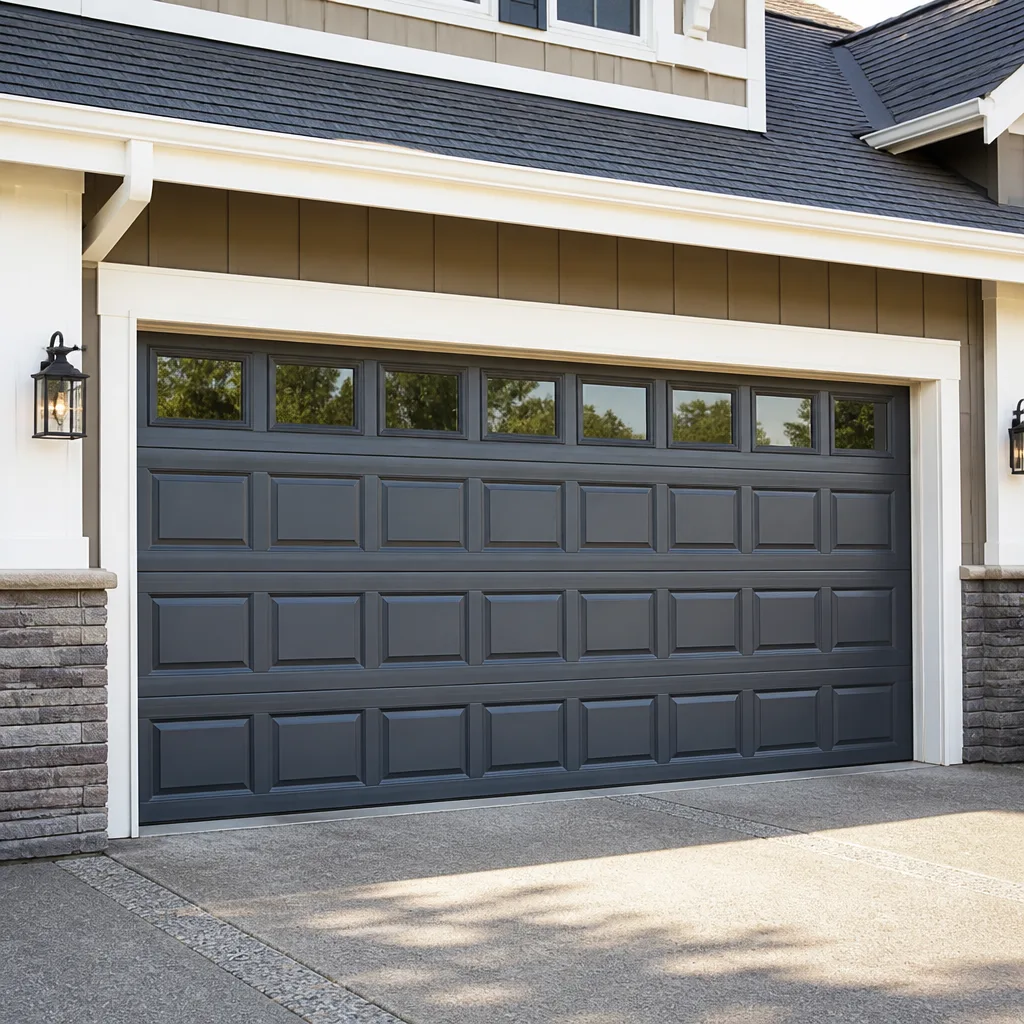 Raised-panel steel
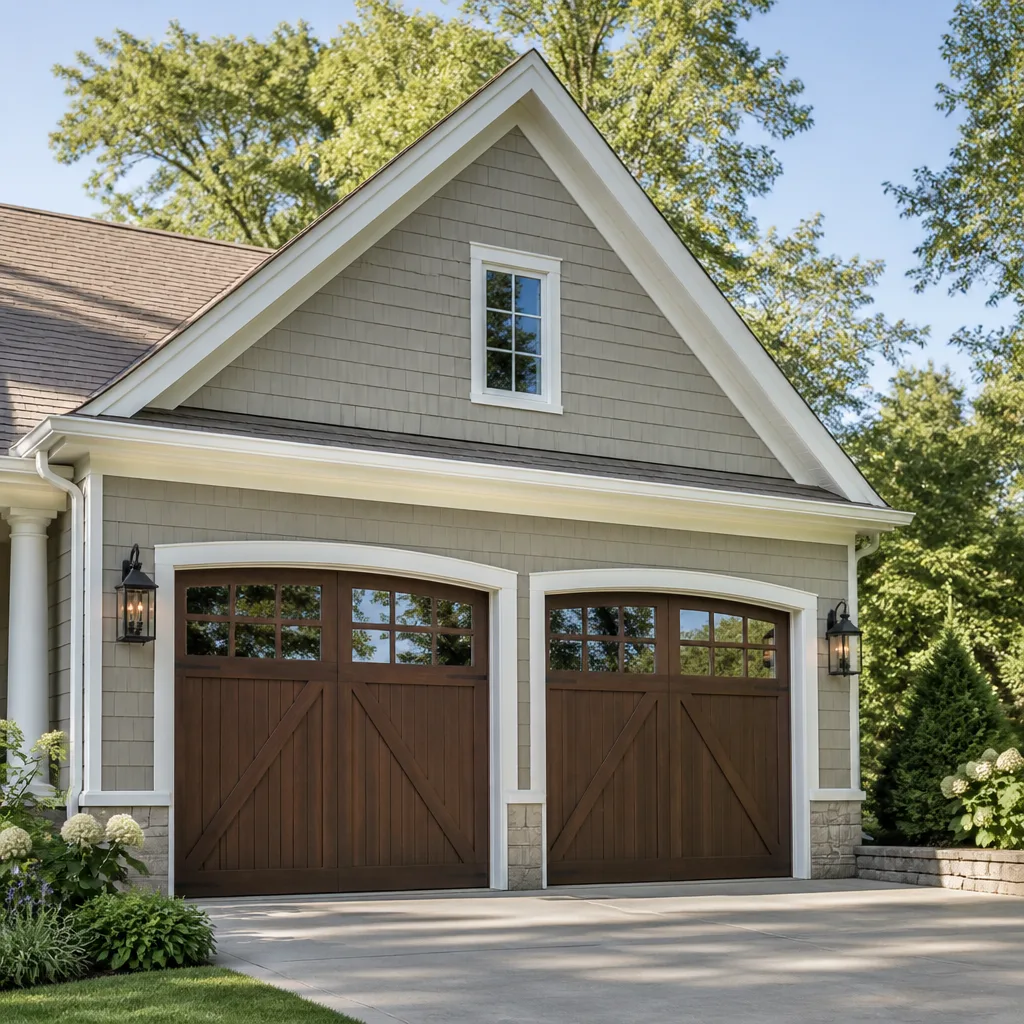 Carriage house
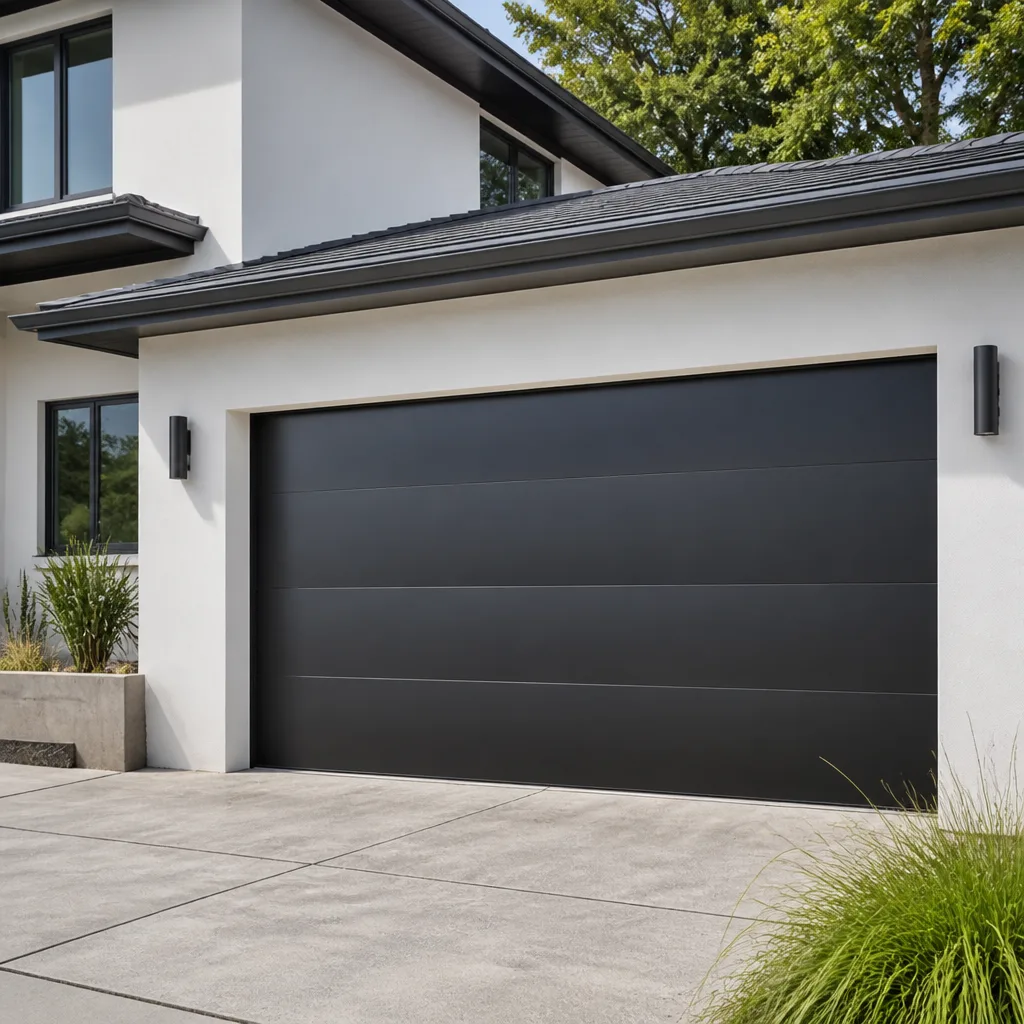 Modern flush
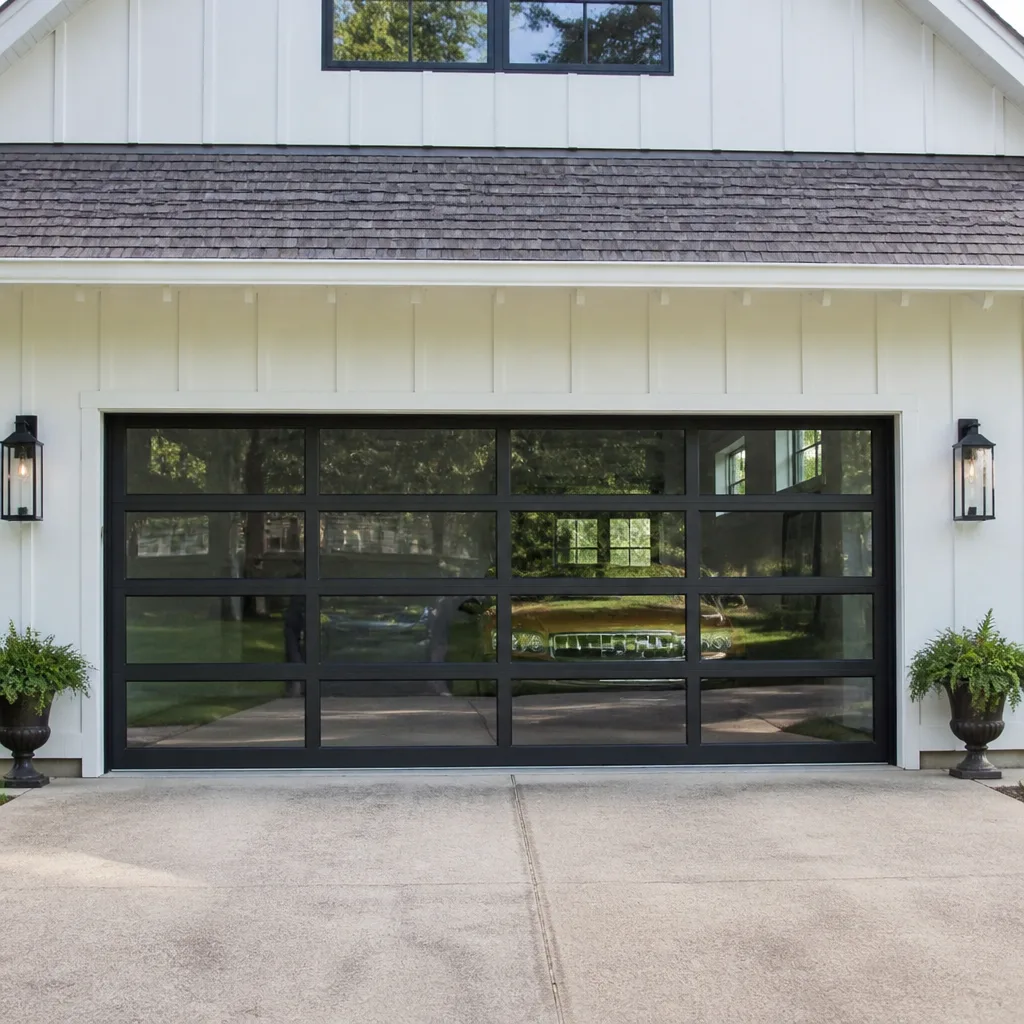 Full-view glass
 LiftMaster openers
 Chamberlain openers
Full 25-point door and opener safety check with every visit - springs, cables, rollers, tracks, and your LiftMaster or Chamberlain opener included
You get a price before we start. It does not change when the pro arrives.
Get your free estimateSeasonal Garage Door Care for North Fort Myers: Year-Round Homeowner’s Guide
In North Fort Myers, the most dangerous time for your garage door isn’t when something breaks. It’s the six weeks before June 1st, when deferred maintenance meets the first real storm system of hurricane season. Most homeowners here think about their door twice a year: once when it starts squealing, and once when a storm is spinning toward the Gulf. The trouble is that a door can look perfectly fine in May and still fail in July, because the parts that matter most (springs, cables, track alignment, opener backup) wear quietly. This guide treats our two real seasons, hurricane season and the dry season, as your actual maintenance calendar. You’ll get a pre-season checklist, a 72-hour storm protocol, a post-storm inspection routine, and the dry-season details that keep a North Fort Myers door gliding quietly for years.
Quick Answer
Garage door care in North Fort Myers should follow two seasonal cycles, not four: a pre-hurricane-season inspection in April and May (wind bracing, hardware torque, opener battery backup), and a dry-season maintenance pass from November through April (roller cleaning, sensor lens wiping, spring tension checks). The single most important task is testing your opener’s battery backup and confirming your manual release works before June 1st, because that’s the equipment you’ll rely on when the power goes out.
Styles & brands we work with
- Raised-panel steel
- Carriage house
- Modern flush
- Full-view glass
- LiftMaster openers
- Chamberlain openers
Table of Contents
- Why North Fort Myers Really Has Two Garage Door Seasons
- The Pre-Hurricane Season Checklist (April through May)
- The 72-Hour Protocol: When a Named Storm Is Approaching
- Post-Storm Inspection: Catching Damage Before It Becomes a Failure
- Dry Season Care: Dust, Debris, and Sensor Lenses
- How Temperature Swings Affect Spring Tension Over Time
- Brand-Specific Notes: Chamberlain, Genie, Clopay, and Amarr
- A Simple Monthly Rhythm That Works Here
Why North Fort Myers Really Has Two Garage Door Seasons
Most garage door maintenance advice is written for places with a hard winter. Ours doesn’t have one. What we have is a long, hot, humid stretch from roughly June through October when storm systems roll through, followed by a dry, mild stretch from November into April. Those two halves of the year stress a garage door in completely different ways, and the parts that fail first are rarely the same.
During hurricane season, the stress is structural and electrical. Wind pressure works on panels, bracing, and the connection between the door and the track. Power outages knock out openers that aren’t backed up. Debris blows against sensors and tracks. This is the season when a small weakness in a hinge or a loose bolt becomes a real problem.
During the dry season, the stress is mechanical and gradual. Dust and grit work into rollers and hinges. Sensor lenses film over. Springs expand and contract through the daily swing between cool winter nights and warm summer afternoons, and that cycling changes how much lift the spring provides.
Here’s the counterintuitive part. In our experience, most of the doors that fail during a storm were already failing before it arrived. A cable with a few broken strands, a track nudged a quarter inch out of line, a hinge working loose on one screw: none of those announce themselves. They just wait for the first good gust. That’s why the six weeks before June 1st matter more than any other stretch on the calendar in North Fort Myers. It’s your one window to find those quiet problems and fix them while the weather is still calm.
If you take only one idea from this guide, take this: your maintenance calendar in North Fort Myers starts in April, not in spring. That shift alone puts you ahead of most homeowners in the area. When a door does fail and it’s past the point of adjustment, our garage door repair team handles everything from a single component to a full rebuild.
The Pre-Hurricane Season Checklist (April through May)
This is the most important six-week window on the North Fort Myers garage door calendar. Do these checks in April or early May, before the first storm system forms, and you’ll go into hurricane season knowing exactly what condition your door is in. Here’s the order we recommend:
- Inspect wind bracing and struts. Look along the back of each door panel for horizontal reinforcement bars. Check that every bracket is tight and that no strut has bent, cracked at a mounting point, or pulled loose from the panel. A door rated for wind pressure depends on that bracing staying intact.
- Torque-check the hardware. Go through every hinge bolt, roller bracket, and track fastener. Vibration and thermal expansion work screws loose over a season. Snug them with a socket, but don’t over-tighten and strip the thin metal of the panel.
- Test the opener battery backup. Unplug the opener from the wall, then press the remote. If the door doesn’t move on battery power, the backup is dead or failing. Replace the battery before storm season, and repeat the test once a month through October.
- Verify the manual release. Pull the red release handle and confirm it disconnects the door from the opener cleanly, then re-engage it. This is the function you’ll depend on during a long power outage.
- Check the weather seal and bottom threshold. Wind-driven rain finds every gap. A torn bottom seal or a compressed threshold lets water in and can let wind pressure under the door.
- Test the safety sensors. Wave something through the beam and confirm the door reverses. Storm debris is the most common reason sensors trip.
- Look at the springs and cables. A torsion spring with visible gaps or a cable with broken strands needs professional attention before storm season, not after.
That last item deserves its own caution. Torsion springs and the cables under them are under extreme tension, and a spring that’s been weakened by a season of cycling can release suddenly. We never recommend homeowners adjust or remove them. If you see gaps, sagging, or broken strands, call a trained technician instead. Our garage door spring repair service exists for exactly this, and handling it in April is far cheaper than handling it in a post-storm scramble.
One local note: North Fort Myers has a mix of older and newer housing, and older doors often carry older bracing standards. If your door predates the current wind-loading requirements, don’t assume the bracing you see is enough. Ask your city’s building department what applies to your address, and if the answer is uncertain, have a specialist look before hurricane season.
The 72-Hour Protocol: When a Named Storm Is Approaching
Once a named storm is roughly 72 hours out, it’s too late for repairs, but it’s not too late to prepare the door for what’s coming. This is a short, focused routine. Do it the day the forecast firms up, and don’t wait until the night before.
- Disconnect the opener and lock the door manually. Pull the manual release so the door is free of the opener, then slide the manual lock bar or latch into place. You want the door held by its own hardware, not by an opener that could lose power.
- Verify the horizontal brace. If you have a center horizontal reinforcement bar, check that both ends are secured to the door’s framework. A loose brace does nothing in wind. This is the single most overlooked step in the North Fort Myers pre-storm routine.
- Clear anything that can become a projectile. Loose patio furniture, bins, and yard tools near the door matter more than most people realize. Anything that blows into the door becomes an impact load.
- Photograph the door. Take clear photos of both sides, the track, and the springs before the storm. If you need to file a claim afterward, you’ll have a baseline.
- Confirm your opener is on backup. If you tested the battery in April, retest it now. If the door has been on wall power all season, this is your last check before the grid becomes uncertain.
- Keep the door closed through the storm. Don’t open it to peek outside during the worst of it. Wind pressure on an open or partially open door is far greater than on a closed one.
If your door is already showing problems in these checks, a technician can still address them before landfall if you call early enough. Emergency garage door service is a core part of what we do, and a door that won’t lock down before a storm is exactly the kind of urgent situation it’s meant for.
Post-Storm Inspection: Catching Damage Before It Becomes a Failure
After a storm passes, the door may open and close fine, which is exactly why people skip the inspection. But storm damage often hides in places you can’t see from the driver’s seat. This is where North Fort Myers homeowners most often miss something that turns into a failure weeks later. Walk through these checks once the weather is clear and power is restored:
- Hidden cable fraying. Look along each cable for broken strands or a fuzzy appearance. Cables are under tension, and a weakened cable can snap weeks after the storm that damaged it. If you see damage, don’t operate the door; call a professional.
- Track misalignment. Crouch at each side and sight along the track. Storm wind and debris can knock a track slightly out of line even when the door still moves. A quarter inch of misalignment can cause rollers to bind and panels to flex.
- Panel and hinge distortion. Look for dents, warping, or separation where panels meet. Wind pressure can flex a panel beyond its limit and leave a crease you barely notice until the door starts rubbing.
- Roller wear and seating. Check that rollers sit fully in the track and haven’t cracked. Storm grit accelerates roller wear fast.
- Sensor alignment. Blown debris frequently shifts safety sensors. Realign them and test the reversal function.
- Spring condition. A door that feels heavier to lift by hand than it did before the storm is a sign a spring has lost tension or a cable has stretched.
The most common hidden damage after a storm is cable fraying and track movement. Both allow the door to work for a while, then fail at the worst moment. If you notice either, don’t force the door. Call a technician. Our emergency service is designed for exactly these situations, and dealing with a frayed cable now is far safer than waiting for it to break under load.
Dry Season Care: Dust, Debris, and Sensor Lenses
From November through April, North Fort Myers gets its dry, mild weather. The door seems to have no problems, and that’s the trap. The dry season is when dust, grit, and airborne debris settle into the moving parts, and the damage accumulates slowly. This is the season for the maintenance you can actually feel the difference from.
Rollers and hinges are the first to show it. Dust works into the bearings and the roller axles, and grit accumulates in the hinge joints. Over a few months the door develops a grumble or a rattle that wasn’t there in the fall. A quick cleaning of the roll-up hardware and a proper dry lubricant (never grease on the tracks, which attracts grit) keeps things quiet. If you clean the rollers and hinges and the noise persists, the rollers may simply be worn and due for replacement.
Sensor lenses are the next one, and it’s specific to our dry season. Fine dust films over the lenses quickly, and a coated lens gives false obstructions. The door reverses or refuses to close, usually at the most inconvenient time. Wipe both lenses with a soft, dry cloth once a month through the dry season. That single habit prevents most of the “my door won’t close” calls we get in the winter months. If the opener itself is the problem, our garage door opener repair service covers opener-specific troubleshooting across the major brands.
Also worth checking in the dry season: the bottom weather seal. It takes a beating from sun and heat, and a cracked or hardened seal lets in water and wind. The dry months are the easiest time to replace one, before the wet season returns.
How Temperature Swings Affect Spring Tension Over Time
Springs are the mechanical heart of your garage door, and in North Fort Myers they live a cycle most parts don’t. Winter nights here can drop into the 50s and 60s, while summer afternoons climb into the 90s. A torsion spring expands in the heat and contracts in the cool, and that daily swing changes the tension it provides.
What you’ll notice first is that the door feels different depending on the time of day or the season. It may be a little easier to lift on a cool January morning than on a hot afternoon. That’s normal, and it’s a sign the spring is working through its range. What isn’t normal is a door that feels noticeably heavier than it did the previous year, or one that slams down faster than it used to. Both point to a spring that’s lost tension.
Over time, the constant expansion and contraction, combined with the humidity of hurricane season, wears on the spring’s metal and its mounting hardware. That’s why a spring that passed inspection in May can still be near the end of its life by the next dry season. Cyclists call it fatigue; we just call it a well-used spring. The fix isn’t to tighten it yourself. Torsion springs are under extreme tension and can cause serious injury if adjusted or removed by a homeowner. This is work for a trained technician, full stop.
One brand detail you might not think about: different doors have different equilibrium needs. A heavier Amarr or Clopay panel door and a lighter single-car door need different spring sizes and tension settings. If your spring is replaced with the wrong one, the temperature swings will make the door feel off all year. That’s one reason we work on the brand already in your garage rather than pushing a swap.
Brand-Specific Notes: Chamberlain, Genie, Clopay, and Amarr
Garage door care isn’t universal. Different brands have different parts, maintenance intervals, and proprietary components, and our technicians are experienced across the major residential brands. A few notes that apply to what North Fort Myers homeowners actually have installed:
Chamberlain and Genie openers. Both are common here, and both have battery backup and safety-sensor functions that need testing each storm season. Chamberlain units often have proprietary back-up batteries you’ll want to have on hand before June. Genie openers use different sensor alignment conventions, and if a sensor drifts out of line, the door will refuse to close until it’s realigned. Testing is the key for both: backup and sensors, twice a year.
Clopay and Amarr doors. These panel doors are built for durability, but panel and strut integrity matter in storm season. Check every reinforcement bracket before hurricane season, and after any storm, inspect for panel creases. Both brands use torsion springs on many models, which means the temperature-swing discussion above applies directly.
If your door is a brand you don’t see named here, don’t worry. We service lift hardware, springs, openers, and panels across virtually all makes and models. The brand in your garage is the one we work on. If a door is nearing the end of its life and repair no longer makes sense, our Garage Door Repair North Fort Myers team can walk you through installation options while keeping you on the brand you already trust.
A Simple Monthly Rhythm That Works Here
You don’t need a maintenance plan or a reminder app to keep a North Fort Myers garage door in good shape. You need a few habits tied to our two seasons. Here’s a realistic monthly rhythm you can keep:
- Every month: Wipe the sensor lenses. Press the manual release and re-engage it. Listen to the door as it operates and note any new noise.
- Every month in hurricane season (June through October): Unplug the opener and confirm the battery backup lifts the door. Snug any hinge or bracket you can reach safely. Clear yard items near the door.
- April and May: Full pre-season inspection: wind bracing, torque check, spring and cable review, seal and sensor test.
- November: Dry-season reset. Clean rollers and hinges, inspect the bottom seal, and re-test all safety functions after the storm season.
- Whenever the door feels different: Don’t ignore it. A heavier door, a louder operation, or a change in speed is a signal to look closer.
That’s the whole program. It takes minutes per month, and it puts you ahead of the vast majority of homeowners along the Gulf Coast of Southwest Florida, because most people in North Fort Myers only think about their door when something goes wrong.
Common Mistakes to Avoid
- Waiting until the storm is named to check the battery backup. By the time the forecast firms up, you’ll likely be competing for replacement batteries and technician time. Test it in April and again in October.
- Lubricating the tracks. Grease on a track attracts grit and makes rollers bind. Lubricate the rollers and hinges, never the track surface.
- Ignoring a noisy door in the dry season. A rattle that appears in November is usually dust or a worn roller. Left alone, it turns into a track problem by spring.
- Adjusting or replacing torsion springs yourself. This is the most dangerous part of any garage door. If a spring is sagging or gapping, call a specialist. The risk to you is real.
- Skipping the post-storm inspection because the door still works. Hidden cable fraying and track movement don’t announce themselves. They hide until the next cycle.
- Forgetting the manual release during a power outage. If you can’t recall the last time you tested it, do it today. It’s the function you’ll depend on most.
- Assuming older bracing is enough. Older doors in North Fort Myers may predate current wind-loading expectations. Ask your city’s building department what applies to your address.
See the difference
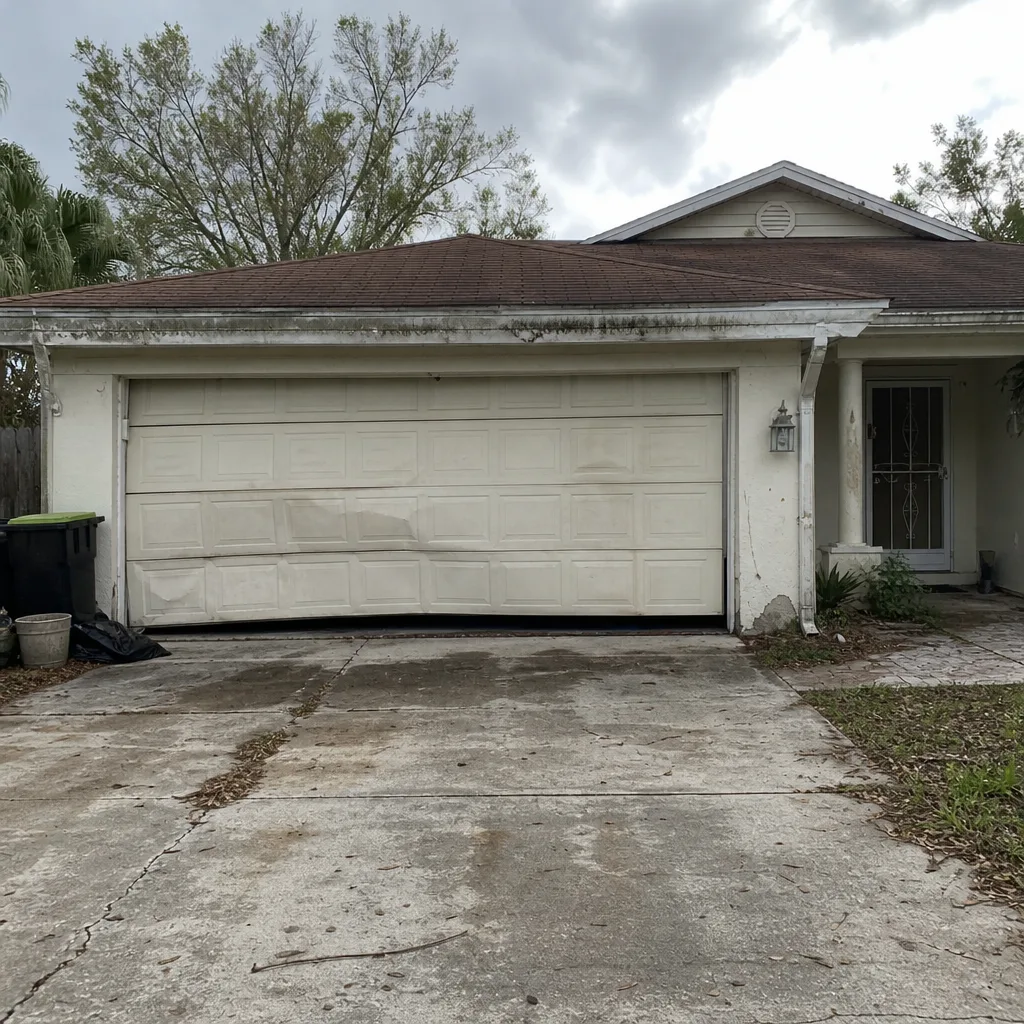 Before
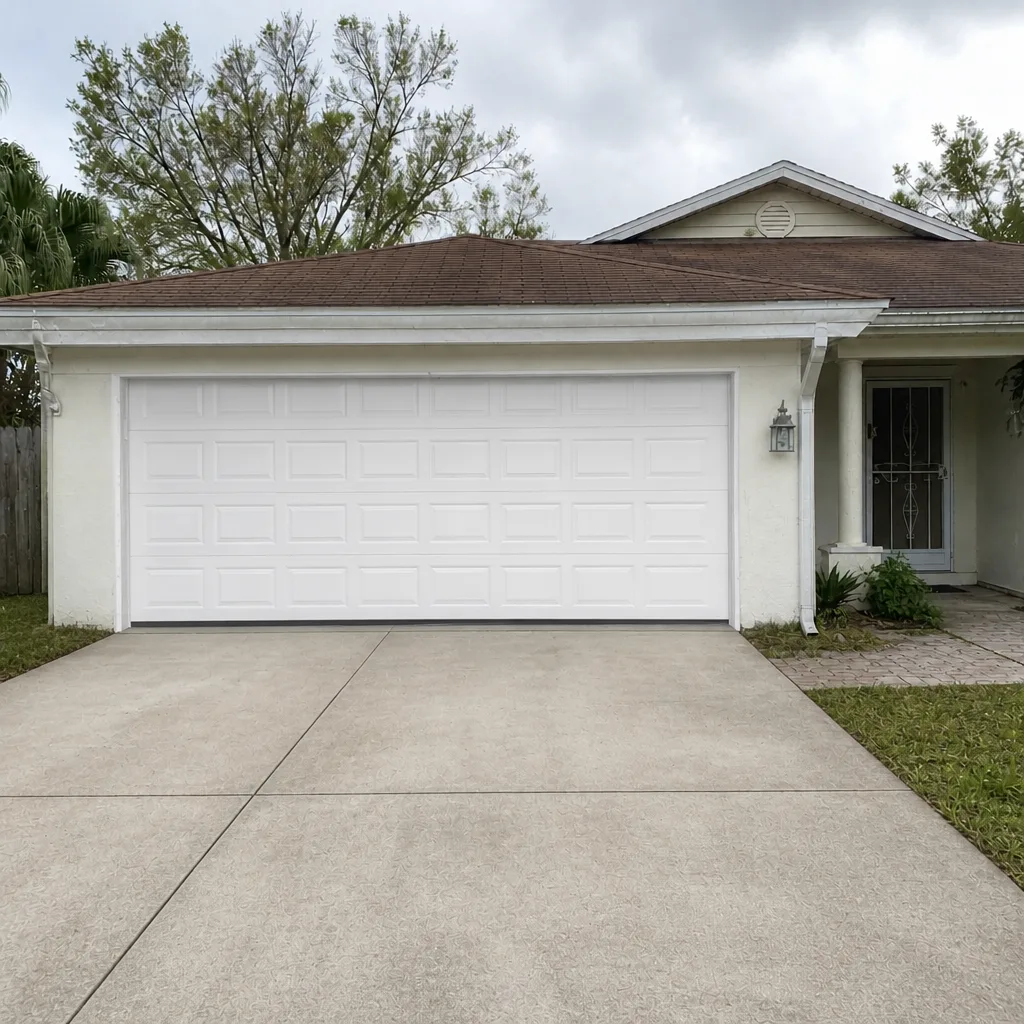 After
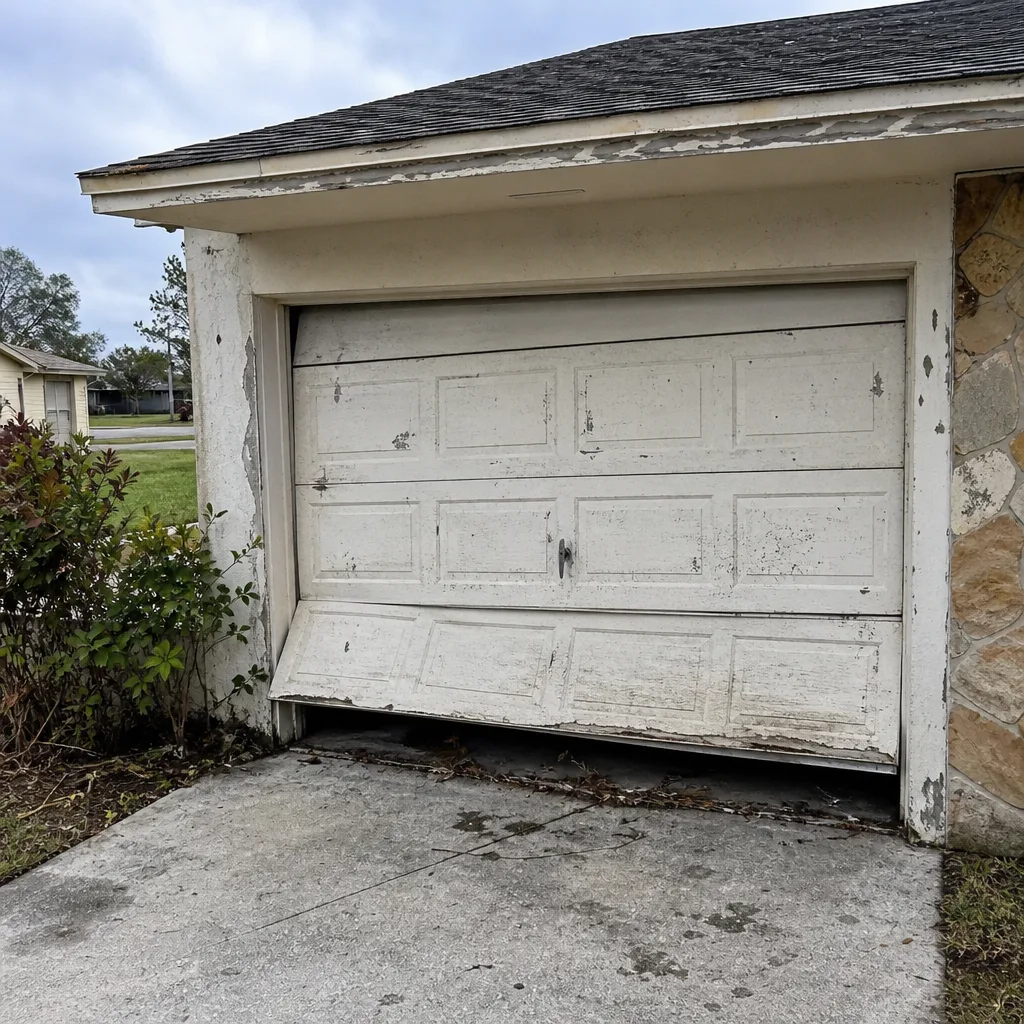 Before
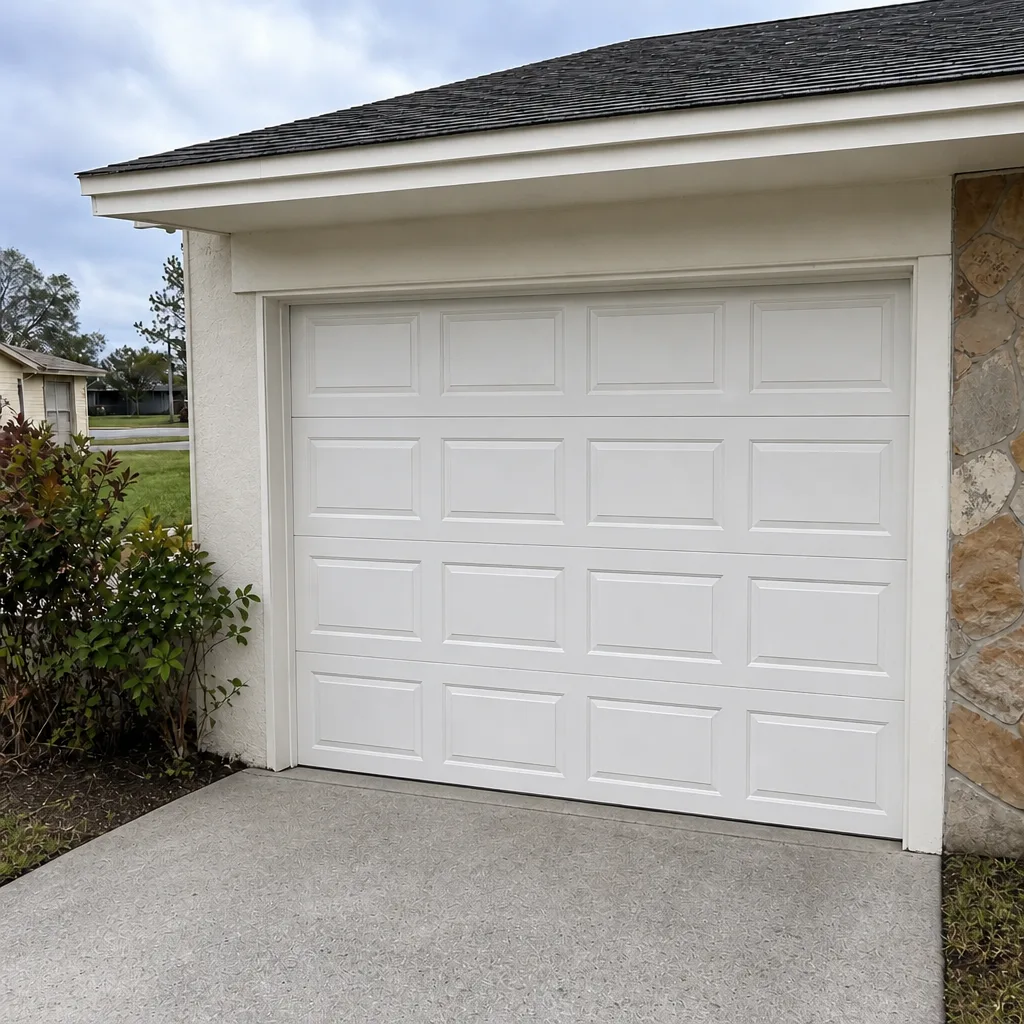 After
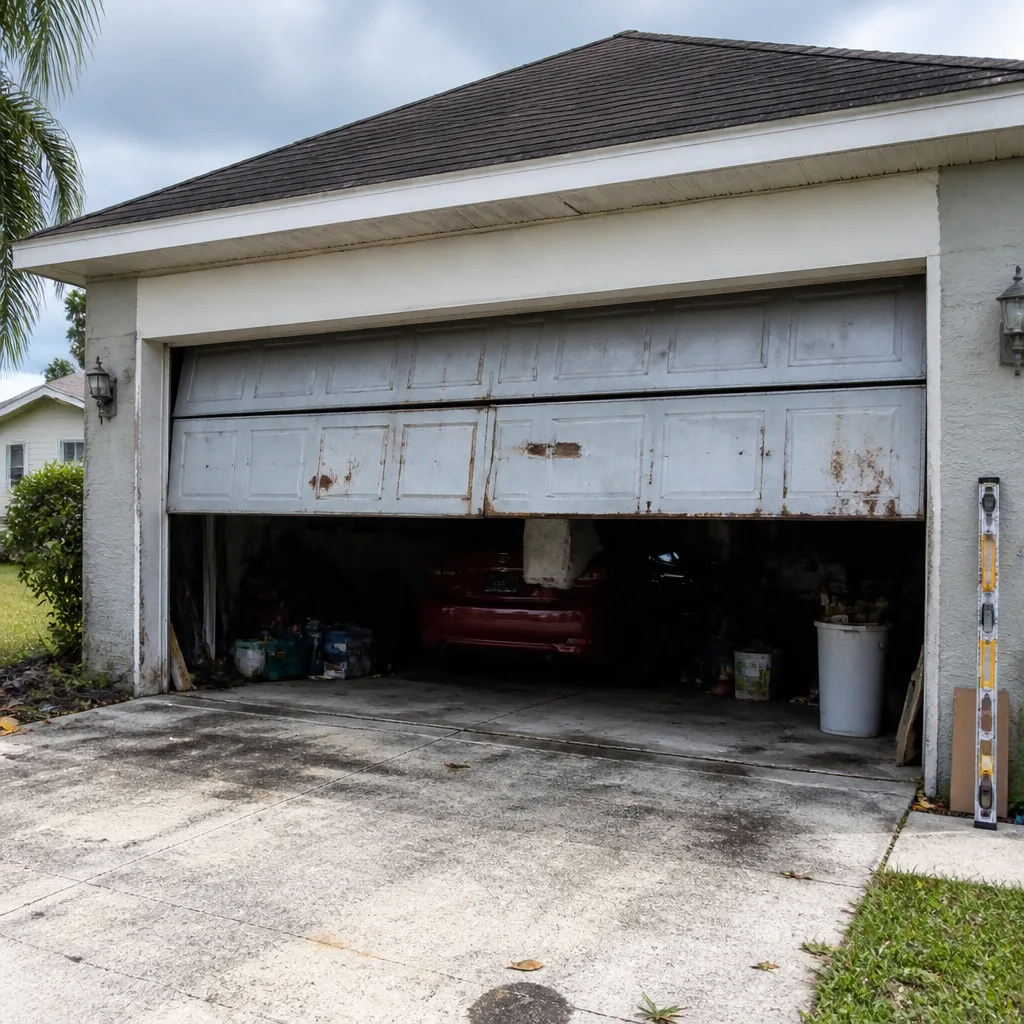 Before
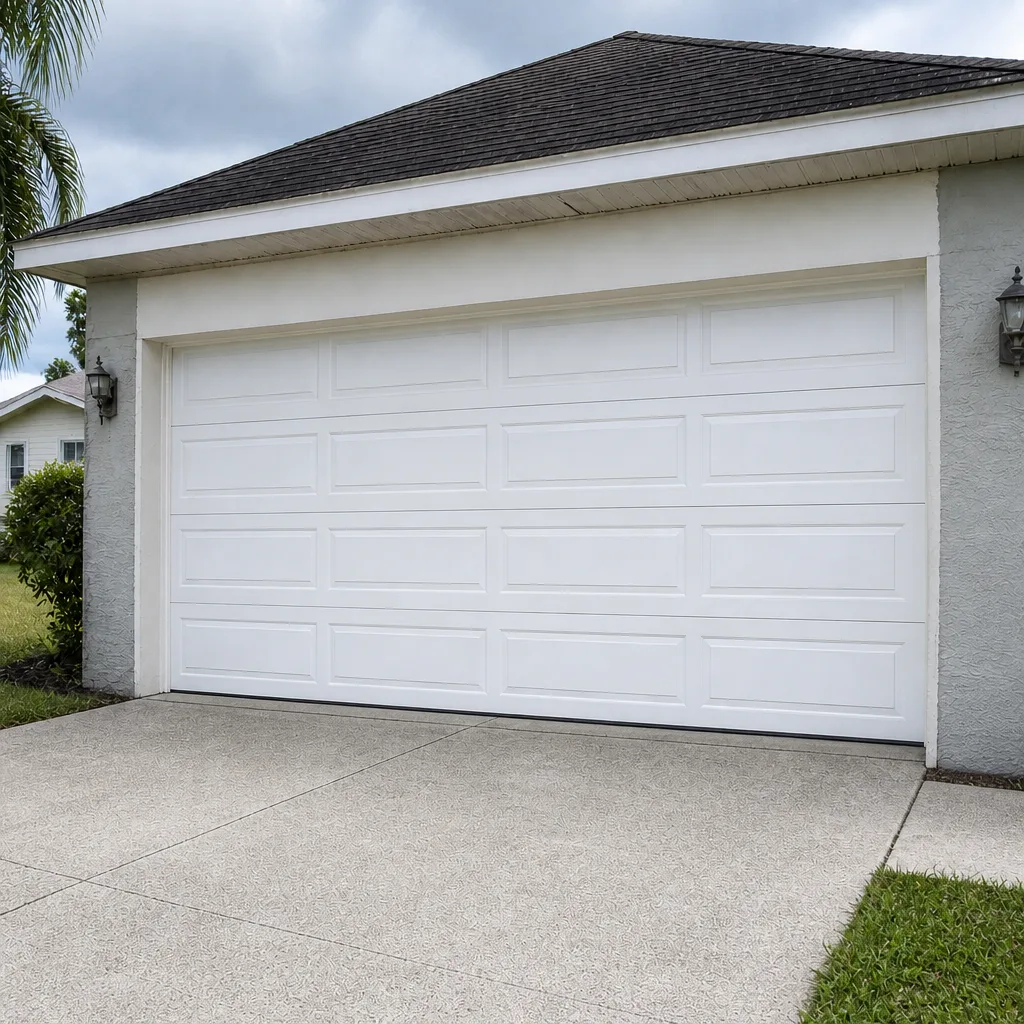 After
When to Call a Professional
Some garage door care is homeowner-friendly: wiping sensors, clearing debris, tightening a hinge. But a specific set of situations should always go to a trained technician. Call a professional if you see gaps or sagging in a torsion spring, broken strands in a cable, or a track that’s visibly out of line. Call if the door feels suddenly heavier than usual, slams down faster than it used to, or reverses unpredictably near the floor. Call if the opener won’t power on, won’t respond to the remote, or runs on a dead battery backup. And call if a storm has left you with a door that won’t lock, won’t close, or won’t move at all. Garage Door Repair North Fort Myers offers free estimates in North Fort Myers. Call (877) 317-7510 to schedule an inspection or an emergency visit.
Frequently Asked Questions
Twice a year fits our climate best: a full pre-hurricane-season inspection in April or May, and a dry-season maintenance pass in November. Between those two, a monthly five-minute check of the sensor lenses, manual release, and battery backup covers most problems before they get expensive.
Heat expansion changes how much tension a torsion spring provides, so a door can feel heavier or lighter depending on the temperature and time of day. A door that’s noticeably heavier than it was a year ago is a different story; that usually points to a spring that’s lost tension and should be checked by a technician.
Roughly 72 hours out, disconnect the opener with the manual release, lock the door manually, verify the horizontal brace is secure, clear anything that can become a projectile, and confirm the opener is on battery backup. Keep the door closed through the storm and inspect it carefully once the weather clears.
Only if the battery backup is functional and tested. Most modern Chamberlain and Genie openers have a backup system, but the battery drains over time and often goes unnoticed until a power outage. Unplug the opener and test it once a month through hurricane season to be sure.
No, and we’d strongly advise against trying. Torsion springs are under extreme tension and can release with enough force to cause serious injury. Spring repair is work for a trained technician with the right tools and safety equipment, not a homeowner project.
Watch for broken cable strands, a track that’s out of line, panel creases, or a door that suddenly feels heavier to lift. These are the signs that damage is there even though the door still operates. If you spot any of them, don’t force the door; call a trained professional to assess it.
The Bottom Line
Your garage door in North Fort Myers runs on a two-season clock: a six-week pre-hurricane window from April through May, then a dry-season maintenance stretch from November into April. The pre-season work is structural and electrical, focused on wind bracing, hardware torque, and battery backup. The dry-season work is mechanical, focused on dust, roller noise, and sensor lenses. Between the two, monthly checks of the sensors, manual release, and backup cover most emergencies before they start. Springs and cables are the parts most likely to fail quietly, so treat them as professional work, never a DIY project. Do this and the storm season will find you prepared, not panicked.
If you’d rather have a specialist go over your door before the next season, contact Garage Door Repair North Fort Myers at (877) 317-7510 for a free estimate. Our technicians have up to 9 years of experience with the major brands, including the one already in your garage. For pricing and scheduling, call us. For repair and opener questions, our garage door repair and garage door opener repair teams are ready to help.
Written by the team at Garage Door Repair North Fort Myers.